
Knowing how security systems are rated is the first step to choosing the best solution for your property’s access control needs.
Burglar resistance classifications, as outlined in the European Standard EN 1627, define the security levels of doors based on their ability to withstand forced entry. They range from RC1 (Resistance Class 1), indicating that a solution offers basic protection, to RC6-classified solutions, which are designed for maximum security against even advanced tools.
By understanding these ratings, property owners can select the best products for specific security needs, whether for residential, corporate, industrial, or high-security facilities. So here’s a comprehensive breakdown of what each resistance class means to help you choose the right protection for your building.
What is burglar resistance?
Burglar resistance refers to the ability of a door to physically withstand attempted break-ins. The EN 1627 tests these products by simulating real-world burglary conditions, measuring both the type of tools used and the “resistance time” – those crucial minutes a door can fend off an attack before a would-be intruder gives up.
The six resistance classes explained
EN 1627 categorizes security into six distinct levels:
- RC1 (Basic Protection)
Designed to deter casual, opportunistic burglars from using bodily force like kicks or shoulder hits to force doors open. These doors offer up to one minute of resistance and are only suitable for low-risk areas. - RC2 (Improved Security)
This class can resist forced entry using simple tools such as screwdrivers, wedges, or pliers for at least three minutes. Security experts often consider RC2 the “sweet spot” for typical family homes because it successfully delays most attacks during the critical first 180 seconds. - RC3 (Moderate Resistance)
RC3 components extend the resistance time against heavier tools, such as crowbars and mechanical drills, to at least five minutes. This class is highly recommended for urban homes in high-crime zones, small businesses, upscale residential buildings, and EDP/server rooms. - RC4 (High Security)
This standard is capable of resisting break-ins using even advanced tools such as heavy hammers, axes, chisels, or cordless drills for a minimum of 10 minutes. RC4 solutions are designed for high-value properties. - RC5 (Advanced Protection)
Meanwhile, RC5-enabled doors are used in critical infrastructure, laboratories, or jewelry stores. They withstand systematic attacks from heavy power tools such as electric drills, jigsaws, or angle grinders for at least 15 minutes. - RC6 (Maximum Resistance)
At RC6, we enter bank-vault territory. These components can withstand powerful electric and hydraulic equipment for up to 20 minutes. They’re strictly for high-security installations such as financial institutions and government facilities.
If security is a priority at your property, aim for RC3-class or higher. It’s a smart choice for premises that need a really good level of protection, with doors built to withstand skilled intruders. RC3 components can withstand hits from crowbars or other heavy tools, preventing even the most motivated criminals from gaining entry for at least 300 seconds. The only thing that could overcome this protection is professional equipment and more time, which intruders don’t usually have.
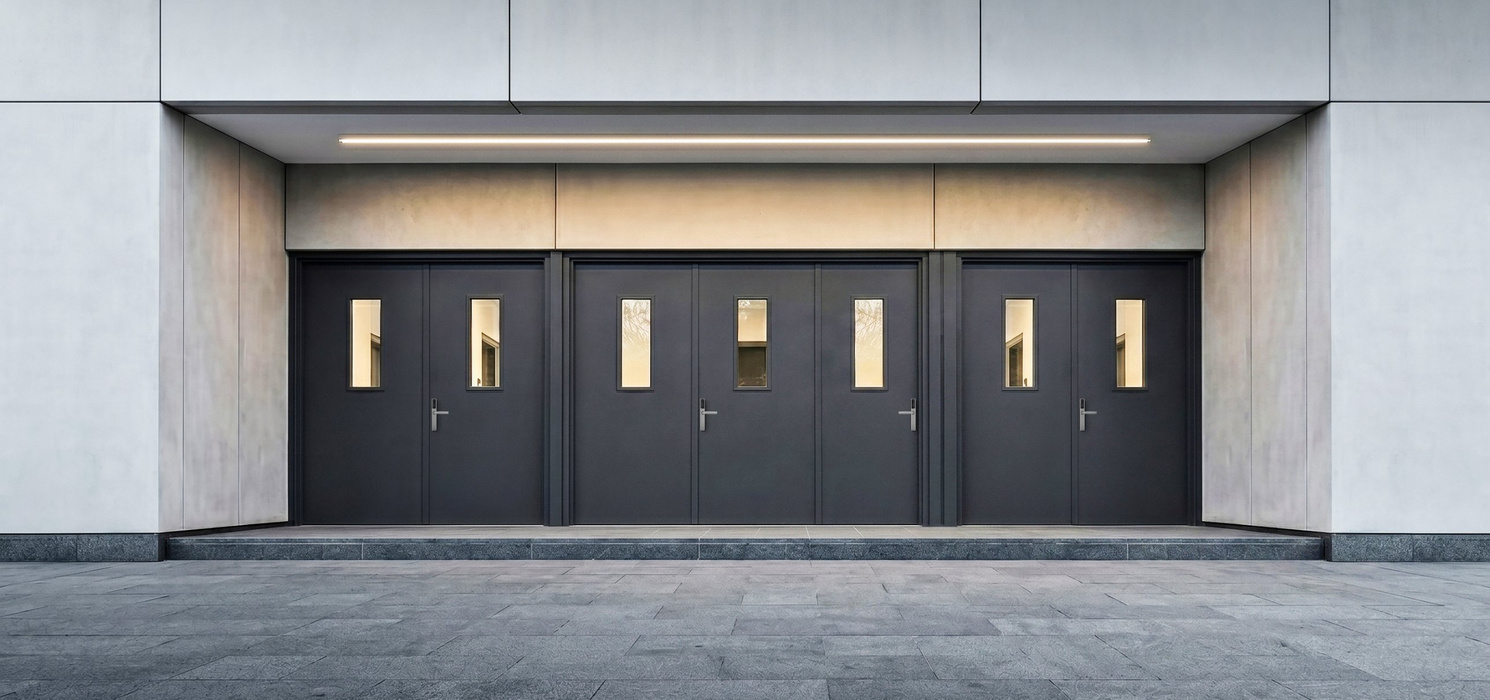
Modern XS4 hardware and smart lock integration
Securing a door is a holistic process. The entire door set must meet the certification requirements, including the use of strengthened hardware and multi-point mechanical locks.
For commercial properties or upscale residential buildings that require RC3-level security, modern smart electronic locks offer robust protection without sacrificing aesthetics or convenience.
For instance, Salto's new Heavy Duty models for the XS4 Original+ and XS4 One S smart locks have achieved EN 16867 certification, with the highest grades for attack resistance (47-B24D23). This premium grading explicitly positions our newest smart lock models as suitable for installation on burglary-resistant security doors classified as EN 1627 RC3.
Proper installation and complementary measures
The effectiveness of any burglar-resistant product can be enhanced only with proper installation and other complementary measures. Even an RC4 door will fail if, for example, the frame rattles or the screws aren’t set properly.
To maximize your security, think of RC-rated doors as your property’s “goalkeeper”, but even the best goalkeepers in the world need a solid defense in front of them. So, support RC-rated solutions with:
- Professional installation to ensure the door or window performs to its tested standard.
- An accurate needs assessment to correctly evaluate both the level of risk to your property, security risks in your area, and the value of what you’re protecting. High-security installations, for instance, often require RC3 solutions as a standard.
- Active defense systems, such as real-time door monitoring systems, alarms, and surveillance cameras, can add an extra layer of security. While RC-rated components buy you time, alarms make the noise necessary to scare off intruders.
- Smart environmental design with additional deterrence, such as motion-sensitive lighting. Smart landscaping measures can help, too, like planting thorny bushes in front of ground-level windows.
Next-level protection for your door
Salto Heavy Duty models have passed stringent testing and achieved EN 16867 certification with the highest grades (47-B24D23) for attack resistance. This premium grading proves our newest smart locks are suitable for installation on burglary-resistant security doors, specifically those classified as EN 1627 RC3.
The enhanced resistance means these models are highly recommended for locations with elevated security needs, such as upscale residential buildings, corporate premises, industrial facilities, stadiums, and critical infrastructures or server rooms.
Understanding the burglar resistance classifications helps you make informed decisions as you seek to safeguard your property. By assessing your risk level and pairing an appropriately RC-rated window or door with professional installation and smart locking hardware, you‘ll enjoy the peace of mind that comes with knowing your building is secure. Always consult with security experts to ensure the best fit for your specific requirements.
Ready to upgrade your door security with Salto? To learn more, explore the full XS4 Original+, XS4 One S, and Heavy Duty models range now, and discover how Salto’s smart locking solutions could enhance security and operational efficiency at your property.